
 |
| Image courtesy of HNSA |
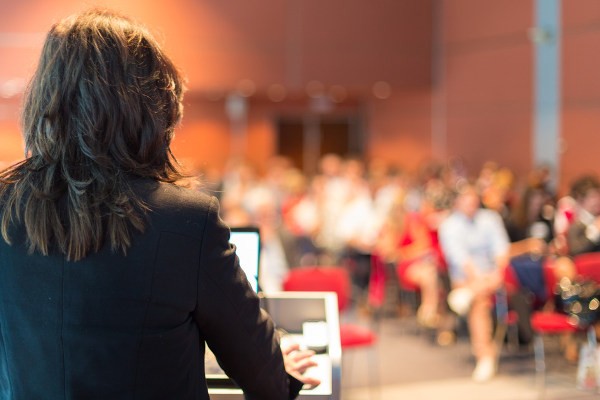
I just spent the most fabulous weekend at the Historical Novel Society Australasia (HNSA) conference in Melbourne. It was the first one I’ve attended and I assure you it won’t be the last. Sadly, the next isn’t until 2019, but at least it gives me plenty of time to save up 😊.


The selection of sessions, practical workshops and academic sessions was absolutely sensational (the only problem being that there were too many choices)! Everything you could ask for, from being allowed to heft pieces of medieval armour to listening to a panel of feisty romance authors vent their ire at the proposition that romance is written to a formula.

Lisa Chaplin’s From Elevator Pitch to Finish proved to me yet again what a wonderful author and teacher Lisa is. I attended her Deep POV workshop some years ago and it was shortly after that that my debut novel The Farmer’s Perfect Match was accepted for Harlequin’s MIRA line (due in no little way to Lisa’s suggestions, I’m sure). Fingers crossed, I now have the perfect pitch for my current wip.
I found out from the panel discussing Bio Fiction: Can You Defame the Dead? that according to Australian law, no, you can't defame the dead, or their descendants. Handy to know for those Aussie writing historical fiction.
The Outlander Effect: Parallel Narratives was of particular interest because my latest work is a time-slip novel. Ella Carey, Felicity Pullman, Belinda Murrell and Gary Crew gave some great insights into how to bring a dual timeline novel to life while maintaining the authenticity of both timelines and their characters' stories.
 |
| Looking like a dag |
Having missed out on the Weapons session at last month's RWA conference (clashing sessions), I was so pleased to be able to attend the session on Armour with Matt Curran. I was able to get a tangible feel for the medieval past by trying on a chainmail hood and a twelfth century Norman helmet (recreated).
The discussion about the difference between historical romance and a historical love story was a lot of fun. The panel, consisting of Lisa Chaplin, Anna Campbell, Isolde Martyn, and Alison Stuart, presented a lively and entertaining discussion with a lot of laughs.
The panel discussing Authenticity vs Truth: Does Historical Fiction Need to be Accurate? was interesting, but without arriving at a definitive answer, of course. There will always be those who believe that historical fiction should serve the narrative versus those who believe writers have a moral obligation to get the facts of history correct (even in fiction).
 |
| Photo courtesy of Jel Cel (HNSA) |
I’m lucky enough to have had two books published (in a different genre to historical fiction), but there was so much I wasn’t aware of with regard to the process. Thank you to the panel of Pathways to Publication for outlining the different reasons why mss may not make the cut.
The last session, Writing Outside Your Comfort Zone: Sex and Violence, provided a lively conclusion to the conference. Thanks to Kate Forsyth, Anna Campbell and Luke Devenish for the laughs.
Over the weekend I also got to have a coffee with one of my all-time favourite writers, Juliet Marillier, and to actually meet the fabulous Anna Campbell for the first time in person. Talk about fan girl moments! Loved the way these ladies took the time to talk to their biggest fans (i.e. me :D).


 |
| Photo of Juliet Marillier meetup courtesy of Denniel Allysha |
What has been a memorable conference workshop you've attended? Would you rather interact or sit and listen to an expert?
Love to love meeting up with Facebook friends in person. I met a few Word Count Warriors for the first time - lovely to be able to put real faces (as opposed to Facebook photos) to names. Plus, I also unexpectedly ran into an old school friend - such a lovely surprise!
Love to laugh along with Anna Campbell's infectious laugh.
Love to learn about the concept of a 'sensitivity reader'. If you have a sensitive issue in your novel, it's a good idea to have an expert on the issue read your book to advise if your treatment of it is authentic. An example might be that if your book delves into the treatment of our Indigenous peoples in the past, your sensitivity reader should be an Indigenous person from the area you write about (the reason being that it's disrespectful for an Aboriginal person from one area to talk about the culture of an Aboriginal group from another area). I'd never heard the term before, but it makes sense to me.
Love to learn about the concept of a 'sensitivity reader'. If you have a sensitive issue in your novel, it's a good idea to have an expert on the issue read your book to advise if your treatment of it is authentic. An example might be that if your book delves into the treatment of our Indigenous peoples in the past, your sensitivity reader should be an Indigenous person from the area you write about (the reason being that it's disrespectful for an Aboriginal person from one area to talk about the culture of an Aboriginal group from another area). I'd never heard the term before, but it makes sense to me.


