Showing posts with label Rachael Johns. Show all posts

Monday, 22 May 2017

How to Write a Bestseller (Part One) - Advice from 4 Well-Known Romance Authors

by Enisa Haines


What is it about some books that they hurtle onto bestseller lists? Four popular romance authors share

their tips on the writing of a bestseller.

Anna Campbell, Award-winning Regency Historical Romance author:


Hi Breathless gals! Thanks for much for asking me to contribute to this blog about what makes a

bestseller - to which my immediate answer was "I wish I knew". But then I thought a bit harder about

books of mine that have done particularly well and it all came down to hooks that draw in the reader.

So for example, my very popular novella Stranded with the Scottish Earl is pretty much what it says

it is - cabin romance with a handsome Scotsman. Seven Nights in a Rogue's Bed is my bestselling

full-length book, and it has a lot of hooks - sexual premise, Beauty and the Beast story, tortured hero,

brave virginal heroine, gothic setting. There's a couple of tried and true hooks that never lose their

appeal. Examples include Cinderella, fish out of water, marriage of convenience, friends to lovers,

enemies to lovers. Even better, if you take one of those beloved tropes and manage to twist it in a

new and exciting way, you're well on your way to a bestseller.


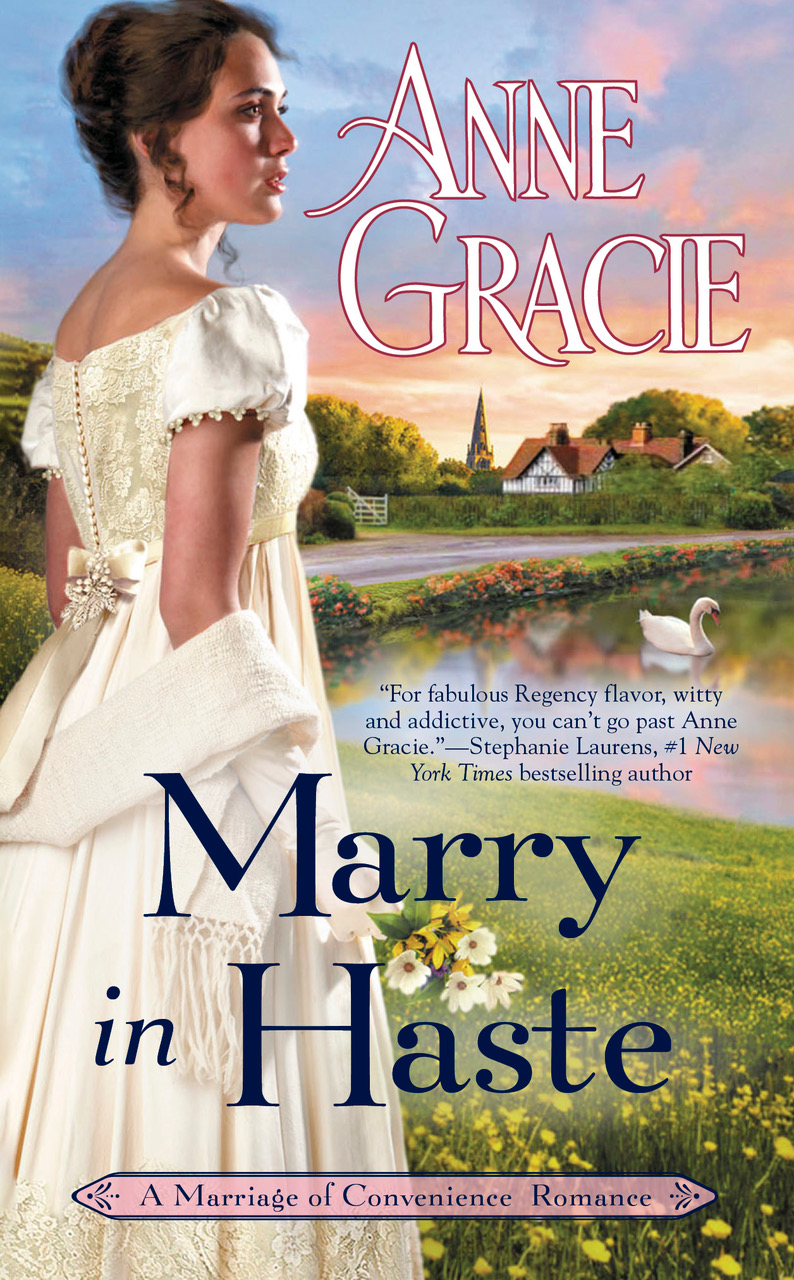
Anne Gracie, Award-winning Regency Historical Romance Author:


How to write a bestseller? Of course a good story is crucial (actually better to have a blow-your-

mind-knockout premise), memorable characters and good writing. But there's also a lot of luck

involved - who first reads it, being 'discovered' and how they spread the word, and whether you're

being built through intense publisher promo, or slower word of mouth. And being prolific certainly

helps, especially in indie publishing. If you're not an instant smash hit, then you need to build a body

of work - when a new reader enjoys a new book, they look for your backlist. That's why all my books

for Berkley are still in print - people keep buying my backlist. But I can never tell which of my books

is going to do well, and often it surprises me. I was worried that my book Autumn Bride would be a

flop, because the romance really begins in the second half of the book. Instead, readers bonded with

the female characters, and the book sold really well.

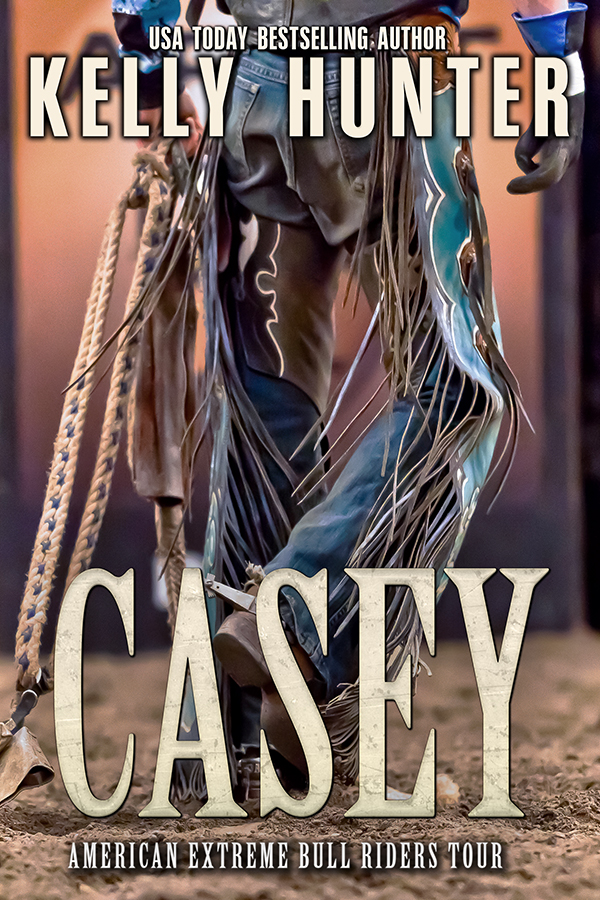
Kelly Hunter, USA Today Bestselling Author:


Thanks for the opportunity, Enisa! Oh, if only I had the recipe for perpetual bestseller creation.

Because my personal favourites (namely my quieter stories that have often been my award winners)

have never been my USA Today bestsellers. I've analysed the why of it and come to the vague

conclusion that my volume bestsellers all have brand recognition and a strong and unique story

premise. If you can distill that premise down to a you-beaut log line, do it. For example, a pretend

wife inadvertently orders a hit on her new 'husband' while holidaying in Hong Kong. A memorable

title helps (Wife for a Week). So, too, does publisher promo support. Simple! (Not simple.)

Rachael Johns, International Bestselling Author:


I'm a totally organic writer so my tip is to write from your heart, to write something you'd love to

read.

For years I tried to write literary romance because that's what they wanted me to write at university

and after that I tried to write sexy romance for Mills & Boon because I thought surely that had to be

easier than literary fiction. Bahaha! Both are equally as hard in different ways - all writing is hard,

but I strongly believe it should also be fun. And for me writing stopped being fun and I was ready to

give up, so I decided to forget about literary fiction or category romance and just write a book I

would love to read. I decided to try and forget about being published and just find the love again. The

book was Jilted (my first print-published book) - I forgot everything I'd been taught so far and just let

the words pour out of me as they would if I'd spoken them.

Even when I later changed genres and tried my hand at women's fiction (with The Patterson Girls), it

wasn't a conscious decision to write in another genre - the story came to me first and I fell in love

with the premise before I started writing.

I'll admit not every book is a joy and ideas don't always come when I need them to, but the ones that I

have a strong idea about, the ones I'm excited about, do flow easier and I believe that comes across on

the page.

My second piece of advice would be to stress less about the so-called rules of writing - following

these rules to the letter can make you sound like every other writer out there. Your voice is your point

of difference, don't let trying to do everything 'right' strip you of your essence!


There you have it, writing a bestseller isn't as simple as it sounds. Watch out for Part Two where four

more beloved romance authors offer their hints for bestseller success.

What, to you, makes a bestseller?

Love to love: romance novels you just can't put down (and I'm so thankful there are many of them!)

Love to laugh: at the crazy antics of animals on YouTube.

Love to learn: about Medieval history. A brutal and yet fascinating time in our past.

Monday, 2 May 2016

Newbies Corner: Show Don't Tell


with Sharon Burke

Fiction writing courses and “how to” books frequently advise novice authors to show rather than tell. Doing this effectively is a great challenge for many new fiction writers, and a necessary precursor to publication.


Showing what your characters are going through brings your writing to life and enhances your readers' emotional experience.


There are several ways to achieve this.

Use more dialogue: Could some of the narrative sections in your novel or short story be rewritten as dialogue? Dialogue has immediacy and power. It helps your readers feel they are witnessing the scene you created.


For example, in Outback Dreams, Rachel Johns could simply have written Faith told Monty's mum, Monty was pursuing Ruby Jones. Instead Rachel captures our interest with animated dialogue, letting us know this information together with Faith's low opinion of Ruby: ''Monty barely stops work long enough to meet eligible women, and anyway, the only one he's shown any interest in recently is princess Ruby Jones.''


Use descriptive and sensory language: Using narrative to describe your viewpoint character's emotions with language linking these to the five senses helps your reader vicariously experience what the character is going through.


In The Beast's Garden, Kate Forsyth uses sensory and highly descriptive language to describe what the heroine experiences as she races towards a burning synagogue:
Shards of glass littered the road. Someone was painting “Jew” in bloody red letters across the wall. Someone else was beating and kicking a bundles of old rags in the gutter. Ava saw an arm flop. She caught hold of the window-sill, suddenly unable to take a breath.


Be more specific: Take the time to analyse novels from the sub-genre for which you are aiming. Notice the degree of detail and type of language the author uses to show rather than tell. Try rewriting some scenes from your own work applying what you have learned.

Are there times when you should tell rather than show with your writing? When is telling rather than showing most appropriate?


I love to love: I'm going to the ballet with my Dad tonight. I can't wait to spend the evening with him.


I love to laugh: A new series of the ABC comedy Upper Middle Bogan is currently being filmed. I'll either be glued to the television or buying a boxed DVD set. Probably both.


I love to learn: We did a marvellous novel plotting exercise in our writers' group last month. I learnt so much, and will definitely use these techniques again.


Monday, 14 March 2016

It’s not rocket science, but that doesn’t make it easy!

with guest blogger Rachael Johns
Australian women's fiction author Rachael Johns

Excuse me if this blog post is a little all over the place. My house almost burnt down this week, I’m in the midst of HELLISH revisions for my next women’s fiction, and the proposal for my next category romance was just rejected. That’s right, rejection happens even after you’re published and it hurts just as bad. Needless to say, this week things have been a little hectic in my life – my brain switching between dealing with insurance companies, trying to make The Art of Keeping Secrets (next WF) even better, and working out a total new plot for my next category romance (a Special Edition in my new series The McKinnels of Jewell Rock).


These days I’m a commercial fiction writer – I do this gig for my full-time job and I get paid (yay) to do it. This sounds like a dream come true, right? And, of course, in many ways it is. But things have changed from when I was first writing ALL those years ago (1997 to be exact) and only dreaming of being published.

In those days I stole time to write on weekends, when my kids napped or when my husband watched TV at night, but these days I wave my tribe off to school and work, and then I sit down at the computer and write. I do this whether I want to or not, whether the muse is playing nice or AWOL, because I have contracts, deadlines and private school fees to pay.

And like any job, it’s NOT ALWAYS EASY.


There are bad reviews, edits from publishers that make you want to throw yourself off cliffs and sometimes a book you really want to write isn’t the book your employer wants you to write, so you have to come up with something new. You have to manufacture an idea. I find this particularly hard because I am not one of those writers who has exercise books full of ideas for future novels. And the more books I write, the more I doubt about whether I’m actually any good at writing books at all.

You have to have a tough skin and you have to be resilient to write fiction for a living; a bunch of really wonderful writing friends who understand the highs and lows is also a must. You have to be able to write through crippling self-doubt and disappointment, and even when your muse is nowhere in sight.

With being a full-time writer comes the responsibility of being able to keep coming up with fresh story ideas, to write a book that is even BETTER than your last one. I’m blessed to have a whole host of devoted readers who are waiting for my next book, but with this comes a kind of pressure that wasn’t there when writing was essentially a hobby. It might not be brain surgery or rocket science but life as a commercial fiction writer is NOT for the faint-hearted.


A few of Rachael Johns published works

Don’t get me wrong, there’s a lot I love about being an author – getting new covers, seeing my books on shelves, getting reader letters from die-hard fans, and of course the fact I get to work from home in my PJs. But I just want to get it out there that getting published might seem like a massive hurdle when you’re first starting out, but be prepared for the fact that publication is only the first mountain you will have to climb.

Love to Love: Nashville (totally addicted at the moment). Oh, and my house not burning down this week – that was pretty cool!

Love to Laugh: With English comedian, Michael McIntyre – his stand-up skits about parenting are hilarious (check it out: https://www.youtube.com/watch?v=uFQfylQ2Jgg)

Love to Learn: about plot. I love craft books and usually I buy them and barely look at them, but right now I’m reading AlexandraSokoloff’s Writing Love: Screenwriting Tricks for Authors 2 and I’m thoroughly enjoying it! 


An excerpt from Rachael Johns' March 2016 release...
Outback Sisters

Frankie and Simone are sisters and best friends. Could a new man in town drive a wedge between them for the first time ever?

Cafe owner Frankie has been unlucky in love all her life. It’s hard in a small town like Bunyip Bay to meet prospective partners. Her sister, Simone, lost the love of her life years before and is now devoted to raising their two teenage girls, leaving little time for romance. When Frankie is kissed by a handsome stranger who calls her Simone, it’s a case of mistaken identity – but who is this man and how does he know Simone?


Read more and purchase via Rachael's website.